

Most Christmas lights sold today are LED, but some people still prefer the warm look of traditional incandescent bulbs. Here is how the two compare.
Comparison at a glance
| Factor | LED | Incandescent |
|---|---|---|
| Energy use | A small fraction of incandescent | Much higher |
| Heat | Cool to the touch | Bulbs get warm |
| Lifespan | Usually much longer | Shorter; bulbs burn out more often |
| Durability | Plastic lenses resist breaking | Glass bulbs break more easily |
| Strands per outlet | Many more can be connected | Fewer, because each strand draws more power |
| Color | Wide range; warm white has improved a lot | Classic soft, warm glow |
Why most people choose LED
LED lights use far less electricity, which matters for large outdoor displays that run for weeks. They stay cool, which is safer on a real tree that can dry out, and their plastic lenses survive drops and storage better than glass. Because each strand draws less power, you can usually connect many more strands end to end. Always check the limit printed on the box.
Why some people still like incandescent
Incandescent bulbs have a soft, warm, slightly yellow glow that many people associate with Christmases past. Early LEDs looked cold and blue by comparison. Modern warm white LEDs are much closer, but if that classic glow matters to you, look closely at the color description or choose LEDs labeled as “warm white” or “vintage”.
Things to check on LED lights
- Color temperature: warm white for a traditional look, cool white for a crisp, modern look.
- Bulb shape: mini, C6, C7, C9, fairy or globe.
- Stay-lit design: some sets keep working when one bulb fails.
- Outdoor rating: needed for any lights used outside.
- Safety listing: UL, ETL or a similar recognized lab.
Bottom line
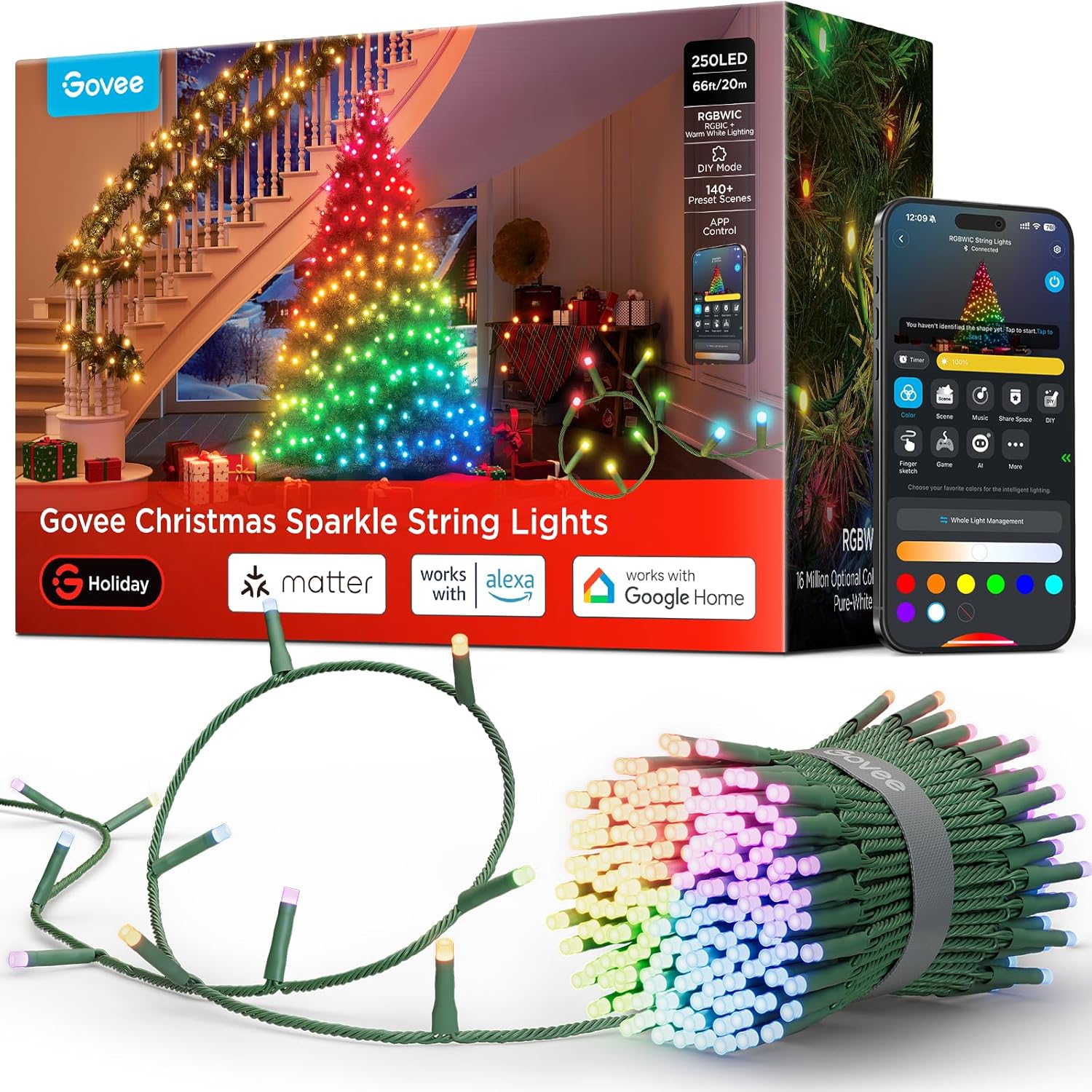
For most homes, LED lights are the better choice for safety, running cost and durability. Choose warm white LEDs if you want a look close to classic bulbs. Browse indoor string lights, outdoor lights and smart lights in our Christmas lights category.




Write Your Review
No reviews yet. Be the first to share your experience!