

When part of a light strand goes dark, the cause is usually a loose or burned-out bulb, a blown fuse or a damaged wire. Many mini light strands are wired in sections, so one bad bulb can darken a whole section. Here is how to find the problem.
Safety first
Always unplug the strand before touching bulbs or opening the fuse compartment. Do not repair strands with cut, cracked or melted wires: replace them.
Step 1: Check that it is plugged in properly
It sounds obvious, but check the outlet with another device and make sure the connection between strands is pushed fully together. A loose connection between two strands darkens everything after it.
Step 2: Check the fuses
Most incandescent and many LED strands have small fuses inside the plug. Slide open the little door on the plug and look at the fuses. A blown fuse often looks dark or has a broken wire inside. Replace it with a spare of the same rating; spares often come in a small bag with the lights. If the new fuse blows again, the strand has a fault and should be replaced.
Step 3: Look for a loose or missing bulb
Start at the first dark bulb and check each bulb in the dark section. Push each one gently into its socket. A bulb that has slipped out slightly can break the circuit for the whole section.
Step 4: Find the burned-out bulb
For incandescent mini lights, swap suspect bulbs with a known working bulb, one at a time, until the section lights up. A light tester tool speeds this up by showing which bulb is the problem. For many LED strands the bulbs are not designed to be replaced, so if pushing them in does not help, the strand may need replacing.
Step 5: Decide whether to repair or replace
Repairing makes sense for a strand with replaceable bulbs and a simple fault. Replace the strand if:
- The wire is damaged, cracked or chewed by pets
- New fuses keep blowing
- Bulbs are not replaceable and pushing them in does not help
- The strand has caused a burning smell or felt hot
Prevent problems next year
Wrap strands around a reel or a piece of cardboard when storing them, rather than balling them up. Store them somewhere dry, and test them before decorating. If you are tired of fixing lights on a pre-lit tree, consider an unlit tree with separate strands; our pre-lit vs unlit guide explains the trade-off.
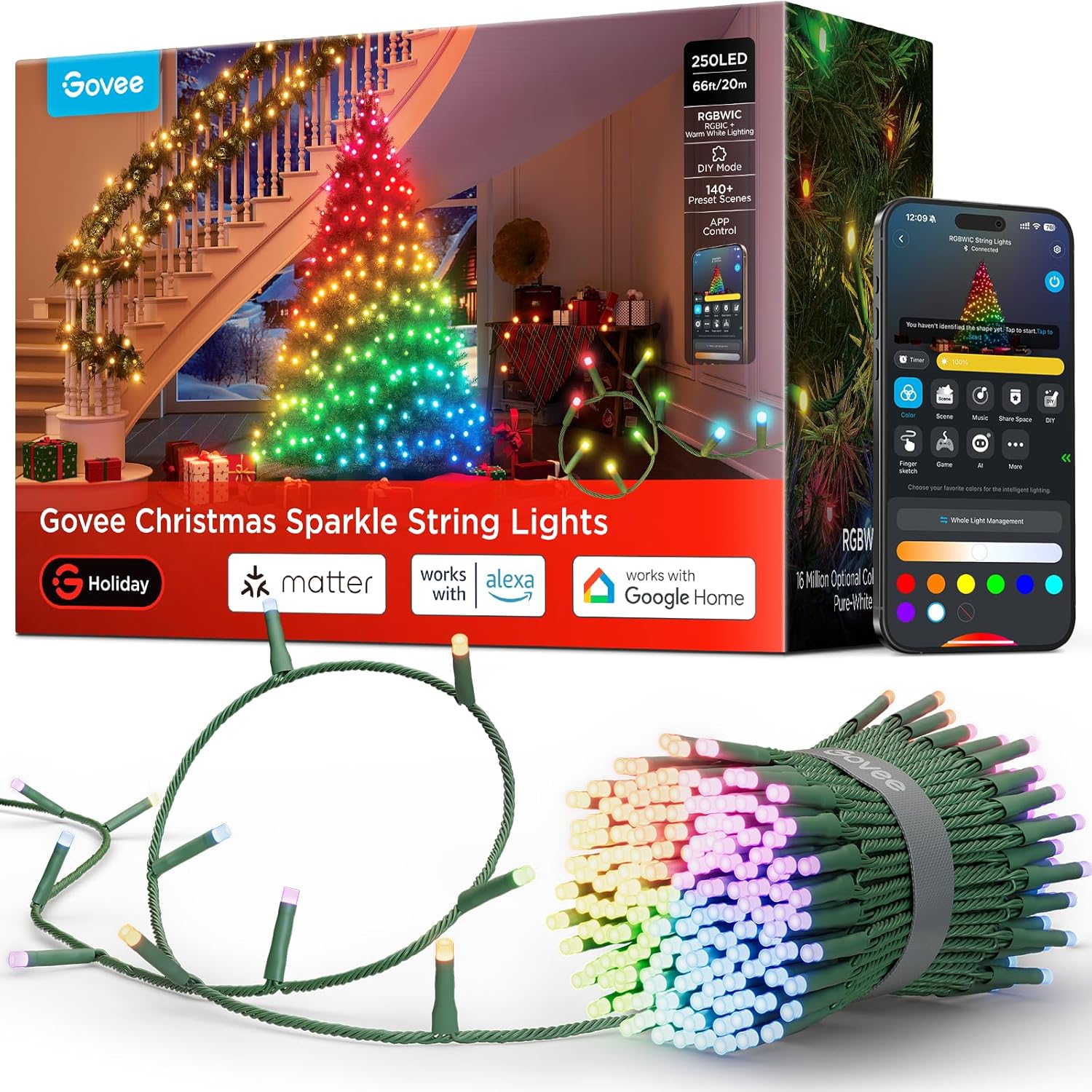
Need replacements? Browse our indoor string lights and Christmas lights categories.






Write Your Review
No reviews yet. Be the first to share your experience!