 By Miles Sinclair
Updated November 2026
A christmas light show in Grand Prairie can mean two things: a large public display you drive or walk through, or a synchronized show you build at home that dances to music. This guide covers both. By the end, you will know how to plan a visit to a local display, how to size and build a synced show on your own property, and which mistakes to avoid so your lights run reliably through the holiday season.
Understanding Your Options for a Christmas Light Show in Grand Prairie
Most people searching for a christmas light show in Grand Prairie fall into one of two groups. Some want to see a display, either as a family outing or as a weekend drive. Others want to create their own show, which is a bigger project but gives you full creative control. The planning steps are different for each, so start by deciding which one fits your goals.
Shopping for one? See our guide: Laser Light Show Christmas: 3 Best Picks for Your Home (2026).
If you are looking for a public display, our Christmas Light Show Grand Prairie TX: A Visitor's Guide for 2026 covers the local layout and visiting logistics. If you want to build your own, the sections below walk through the full process.
Visiting a Public Display
- Check the operating dates and hours before you leave. Many displays run only during specific weeks in December and close earlier on weeknights.
- Ask whether the display is drive-through or walk-through. Drive-through events are often best with a full car and a playlist on the radio, which many displays broadcast.
- Arrive early on weekend evenings. Lines at popular displays tend to build between 6:00 and 7:30 p.m.
- Dress for the weather. Grand Prairie winters can swing from mild to cold within a few days, so plan layers and gloves.
Building Your Own Synced Show
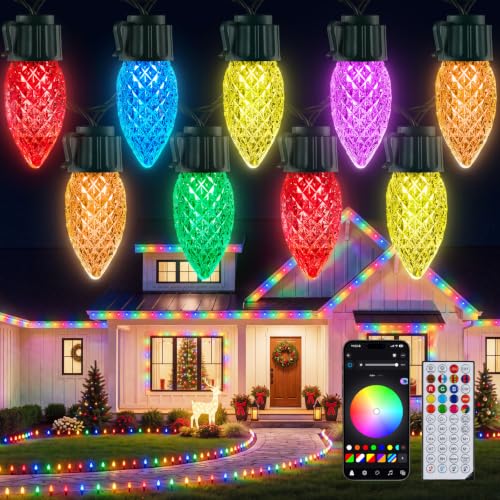
A home show is made of three core parts: lights, a controller that sends timing data, and a music track. Lights are usually addressable LED pixels or smart light strings. The controller runs a sequencing program that tells each channel when to turn on, change color, or flash. The music provides the timing reference. Owners often report that the sequencing step takes the longest, so budget more time there than for hanging the lights.
Step-by-Step: Planning a Synced Light Show at Home
Step 1: Map Your Display Area
Measure the areas you plan to light: roofline, windows, trees, fences, and any ground elements. Note the length of each run in feet. This gives you a count of pixels or light strings, and it tells you how many channels your controller needs. Sketch the layout on paper and label each section.
Step 2: Choose Your Light Type
Addressable pixel lights let each point of light change independently, which is what most people want for dynamic shows. Standard smart strings are simpler and work well for static color washes or basic chase effects. Manufacturers typically specify a maximum run length per power injection point, so check that before buying, and plan injection points every few dozen feet on long runs.
Step 3: Pick a Controller and Sequencing Software
The controller converts your sequence into signals the lights understand. Sequencing software lets you assign effects to each channel and align them with the music. Many hobbyists use free or low-cost sequencing tools that support popular pixel controllers. Start with a single song and a small section of the display to learn the workflow before scaling up.
Step 4: Plan Power and Wiring
Calculate the total load of your display. Each pixel draws a small amount of current at full brightness, and the sum adds up quickly. Use outdoor-rated power supplies, weatherproof connectors, and a dedicated circuit if possible. Consult a licensed electrician if you are unsure about your panel capacity, and never overload an extension cord or outlet.
Step 5: Sequence to Music
- Select a song with a clear beat and a length of two to four minutes.
- Mark the beats and major phrases in your software.
- Assign effects to each channel, starting with the most visible elements such as the roofline and main trees.
- Preview the sequence and adjust timing so changes land on the beat.
- Test the full song several times, watching for wiring faults or channels that flicker.
Helpful Reference Table
| Display Type | Best For | Setup Effort |
|---|---|---|
| Public drive-through | Families, weekend outings | None (visitor only) |
| Static smart lights | Simple color changes, first-time installs | Low to moderate |
| Full synced pixel show | Dynamic music displays | High, with sequencing time |
Recommended gear
A few supplies make a real difference for a home show. Choose outdoor-rated items and buy from sellers that list clear specifications.
- Addressable LED pixel strings: These let each point change independently, which is the core of a dynamic show. Look for IP65 or higher ratings for outdoor use. View on Amazon
- Pixel controller: A controller that supports your sequencing software and your pixel protocol is essential. View on Amazon
- Outdoor power supplies: Matched to your pixel type and load, these keep voltage stable across long runs. View on Amazon
- Weatherproof connectors and splitters: These protect joints from rain and frost. View on Amazon
Common Mistakes to Avoid
- Skipping power injection on long runs, which causes dim or dead pixels at the far end.
- Using indoor-rated lights and connectors outdoors, which leads to moisture failures.
- Sequencing without a test run, so timing drifts once the full show plays.
- Ignoring circuit capacity and loading one outlet too heavily.
- Waiting until December to test everything. Run your full show at least a week before the first public night.
Tips for a Smooth Season
- Label every run and connector during installation so troubleshooting is faster.
- Keep a spare pixel string and a few spare fuses on hand.
- Use a timer or smart schedule so your show starts and stops on time without manual effort.
- If you plan to broadcast your show on an FM frequency, check local rules first.
- For inspiration on how neighborhood displays are arranged, see Top 3 Neighborhood Christmas Light Show Setups Compared for 2026.
If you want a complete walkthrough of a whole-house build, Whole House Christmas Light Show: A Step-by-Step Guide for 2026 goes deeper on layout and sequencing. For a simpler starting point, Plug and Play Christmas Light Show: Setup Steps and Buying Tips (2026) covers kits that require less programming.
FAQ
How long does it take to build a christmas light show at home?
Installation of lights and power often takes a weekend for a modest display. Sequencing a full song can take many hours, sometimes spread over several weeks. Plan more time for your first show than you expect.
Do I need programming experience?
Not necessarily. Many sequencing tools use visual timelines and drag-and-drop effects. Basic familiarity with computers is usually enough to start, and online user communities are a useful resource.
Can I run a christmas light show on a regular outlet?
Small displays often can, but larger ones draw more current than a standard circuit should carry continuously. Calculate your total load and consult a licensed electrician if you are unsure.
Which lights work best for synced shows?
Addressable pixel lights give the most control. Standard smart strings work for simpler effects. Choose outdoor-rated products regardless of type.
How do I keep my show in sync with the music?
Use a single audio file as the timing reference in your sequencing software, and test playback on the same device you will use for the show. Small timing offsets can accumulate if you change audio sources partway through.
When should I start planning for the next season?
Many hobbyists begin reviewing their layout and equipment in late winter, when lights are down and damage is easy to spot. This gives you time to replace worn parts before the next holiday season.
Is it safe to leave lights on overnight?
Use outdoor-rated equipment, keep connections dry, and avoid overloading circuits. Timers help limit runtime. If you notice warm plugs, flickering, or burning smells, shut the display off and have a qualified electrician inspect it.
Conclusion
Whether you visit a public display or build your own, a christmas light show in Grand Prairie comes together through clear planning. Start with your goals, measure your space, and choose equipment that is rated for outdoor use. Test your sequence well before the first night, and your show will run smoothly all season.
Related reading
- Worms Christmas Light Show: How to Set One Up Step by Step
- Wanamaker Building Christmas Light Show: How to Plan Your Visit (2026)
Ready to choose one?
About Miles Sinclair
Miles Sinclair is part of our editorial team and reviews and edits our tech christmas guides, checking product details against manufacturer specifications and owner feedback.