 By Miles Sinclair
Updated November 2026
The dances bay christmas light show is a synchronized lighting display set to music, and this guide explains how to plan a visit to one, what makes these shows work technically, and how to build a smaller version for your own home. By the end, you will know how to time your trip, what gear sits behind a good show, and how to avoid the mistakes that spoil most first-time setups.
What a Dances Bay Christmas Light Show Actually Involves
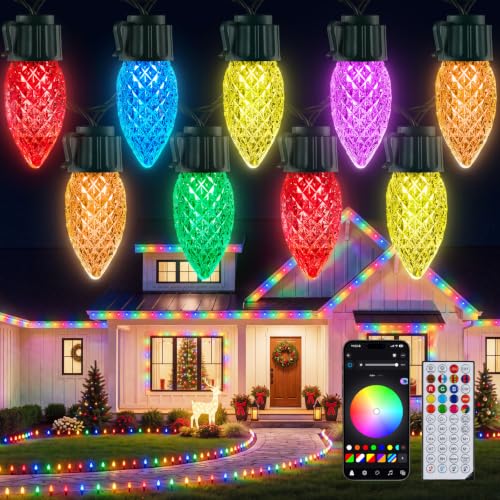
A show of this type is built on three layers: the lights themselves, a controller that switches them on and off in patterns, and an audio track that the patterns are timed against. Each element can be simple or elaborate, but the synchronization is what separates a show from a string of decorations that happen to blink. Many displays in this style use addressable LED pixels, which let each light change color independently, so a single song can drive hundreds of distinct moving patterns.
Shopping for one? See our guide: Laser Light Show Christmas: 3 Best Picks for Your Home (2026). Best Christmas Light Clips for Gutters and Shingles goes further into this.
Whether you are visiting a public display or planning your own, understanding these layers helps you judge quality. A strong show usually has clean timing on beat changes, smooth color transitions, and a playlist that stays consistent from start to finish. If you are new to the concept, the overview in Christmas Light Show Setup: A Step-by-Step Guide for Beginners covers the core parts in more depth.
Planning Your Visit
Public light shows often run on fixed schedules and may use timed entry or drive-through lanes, so check the posted hours before you leave. Arriving 20 to 30 minutes early usually gets you a better parking spot and a clearer view of the opening segment, which is often the most visually dense part of the program.
Weather matters more than most people expect. Cold, damp nights reduce crowd sizes but can affect audio clarity in open-air setups, and wind can make inflatable elements or projected visuals shift. Dressing in layers and bringing a small blanket keeps the experience comfortable through a 20 to 45 minute program. For a broader look at how to structure a trip, see Wanamaker Building Christmas Light Show: How to Plan Your Visit (2026), which walks through similar planning steps for an indoor-to-outdoor visit.
Checklist for a Smooth Visit
- Confirm the show schedule and whether tickets or timed entry are required
- Check the tune-in frequency if the audio is broadcast on an FM station
- Bring a phone charger, since cold weather drains batteries quickly
- Plan your exit route and note the parking area for the return trip
- Dress warmly and bring a blanket for seating or standing
How the Show Is Built: The Core Setup Steps
If you want to build your own version, the process follows a predictable order. Start with the design, then hardware, then programming, then testing. Skipping the testing stage is the most common reason homemade shows fall out of sync partway through a song.
Step 1: Choose Your Light Count and Layout
Measure the area you plan to cover and decide how many pixels or fixtures you need. A common approach is to map the display in zones, such as roofline, columns, windows and ground stakes, so each zone can receive its own channel of data. Keep a sketch with measurements in feet, and note where power outlets sit so you can plan cable runs before you buy.
Step 2: Select the Controller and Power Supply
Addressable LED strings need a controller that sends data to each pixel and a power supply sized to the total load. Manufacturers typically publish the current draw per meter or per pixel, so add those figures together and include a safety margin of around 20 percent. Power injection at the far end of long runs helps keep colors consistent along the string.
Step 3: Build the Sequence
Sequencing software lets you assign light effects to specific moments in the audio track. Start by marking the beat and major section changes in the song, then build broad effects first, such as color washes that match the chorus. Detailed chases and sparkles come last. Work in short sections of 15 to 30 seconds so you can review and fix timing without rebuilding the whole program.
Step 4: Test Each Channel
Before installing outdoors, test every channel indoors. Confirm that each strand responds, that colors render correctly, and that the audio and lights stay aligned for the full run time. Then install in sections and run a short test after each one.
Factors That Affect Show Quality
Several variables decide whether a display feels polished. Pixel density affects how fine the patterns look, and closer spacing gives smoother motion across the frame. Audio playback needs to be reliable, since even a half-second drift will be noticeable. Consider these factors together:
| Factor | What to Aim For | Why It Matters |
|---|---|---|
| Pixel spacing | Consistent spacing across each zone | Uneven spacing distorts moving patterns |
| Power distribution | Injection points on long runs | Prevents dim or shifted colors at the end of strings |
| Audio sync | Single playback source with a tested timeline | Keeps lights aligned with the music |
| Weather rating | Outdoor-rated fixtures and sealed connections | Reduces failures from moisture and temperature swings |
For more on choosing controllers and sync methods, Christmas Light Show Lights: How to Choose and Sync a Display (2026) goes deeper into the hardware decisions.
Common Mistakes to Avoid
- Overloading a single circuit. Spread high-draw sections across separate circuits and use outlets rated for outdoor use.
- Skipping the audio test. Run the full song at least twice before the first public run.
- Ignoring voltage drop. Long strings without power injection often show dim or mismatched colors at the far end.
- Using indoor cable outdoors. Moisture and UV exposure degrade non-rated wiring quickly.
- Building the whole show at once. Install and test in zones so problems stay contained.
Recommended gear
A few types of equipment make the biggest difference in a home build. Choose items rated for outdoor use, and check the manufacturer’s current draw specifications before ordering.
- Addressable LED pixel strings: These allow individual color control and are the foundation of most synced displays. View on Amazon
- Pixel controller with SD or network input: A controller that can store sequences lets the show run without a laptop. View on Amazon
- Outdoor-rated power supplies: Sized with headroom for your total load, they keep colors stable. View on Amazon
FAQ
Do I need special software to build a dances bay christmas light show at home?
Yes, in most cases. You need sequencing software compatible with your controller to assign effects to the music. Many controllers ship with their own software, and third-party tools are also widely used.
How long does a typical show run?
Most displays of this type run between 20 and 45 minutes, often looping through a playlist of several songs.
Can I sync lights to music without a laptop?
Yes. Controllers with onboard storage can play a pre-built sequence from an SD card, though you still need an audio source connected or playing nearby.
What is the biggest cause of out-of-sync lights?
The most frequent cause is a mismatch between the audio file used for programming and the one used for playback, often due to a different file length or a sample rate change.
Are outdoor displays safe in wet weather?
Only if the fixtures, connectors and power supplies are rated for outdoor and wet conditions. Use drip loops, weatherproof boxes, and ground-fault protected outlets.
How do I find a public show near me?
Check local event listings and the organizer’s official site for dates, hours and parking details, since schedules change from year to year.
Should I get a professional to install my display?
For roof-mounted or high-voltage work, consult a licensed electrician. Electrical wiring and ladder work carry real risk, so a professional installer is a sensible choice for complex setups.
Can I reuse a sequence next year?
Often yes, if you keep the same light layout and audio file. Changing either will usually require re-timing the effects.
Conclusion
A dances bay christmas light show works because careful planning and precise synchronization come together. Whether you attend a public display or build one yourself, focus on timing, power, and weather protection. Test in sections, keep your audio file consistent, and expect a few rounds of adjustment before the final run.
Ready to choose one?
About Miles Sinclair
Miles Sinclair is part of our editorial team and reviews and edits our tech christmas guides, checking product details against manufacturer specifications and owner feedback.